
In today’s saturated digital landscape, visibility alone is no longer enough. Millions of creators publish content daily, yet only a small fraction successfully convert attention into revenue. The difference lies in one critical factor: authority positioning paired with a deliberate conversion strategy.
This article breaks down how to transform visibility into measurable sales by establishing authority and designing a system that converts audience trust into consistent book purchases.
1. Visibility Without Authority Is Noise
Getting views, clicks, or impressions is relatively easy with the right mix of trends, SEO, and social media tactics. However, visibility without authority leads to:
- Low engagement depth
- Minimal trust
- Poor conversion rates
Authority acts as a filter. It ensures that when people find you, they perceive you not just as another creator, but as a credible voice worth listening to—and buying from.
2. Understanding Authority Positioning
Authority positioning is the strategic process of being recognized as a go-to expert in a specific niche. It is not about being the most famous; it’s about being the most trusted and relevant.
Core Elements of Authority Positioning
- Niche Clarity
Broad content dilutes authority. Focused content builds it.
Instead of “self-help,” position yourself as:
→ “Helping early-career professionals overcome career confusion” - Consistent Value Delivery
Authority compounds through repetition. High-value insights delivered consistently create familiarity and trust. - Unique Perspective (Your Edge)
Your authority grows when your ideas are not generic. Develop a clear angle:
- Contrarian insights
- Personal frameworks
- Real-world case studies
- Proof of Competence
People trust results. Showcase:
- Testimonials
- Personal experiences
- Measurable outcomes
3. The Authority Flywheel
Authority is not built through a single viral moment. It grows through a loop:
Content → Trust → Engagement → Credibility → Sales → More Authority
Each piece of content should contribute to this cycle. When done correctly, your audience begins to associate your name with a specific value proposition.
4. Content That Builds Authority (Not Just Reach)
To convert visibility into sales, your content must shift from entertainment-driven to insight-driven.
High-Authority Content Types
- Educational Content: Teaches something actionable
- Breakdowns: Explains why something works
- Frameworks: Simplifies complex ideas
- Case Studies: Shows real application
- Opinion Pieces: Positions your thinking
Example Shift
Instead of:
“5 tips to write a book”
Create:
“Why 90% of first-time authors fail—and the system that fixes it”
The second builds authority because it demonstrates depth, not just information.
5. Bridging the Gap: From Authority to Conversion
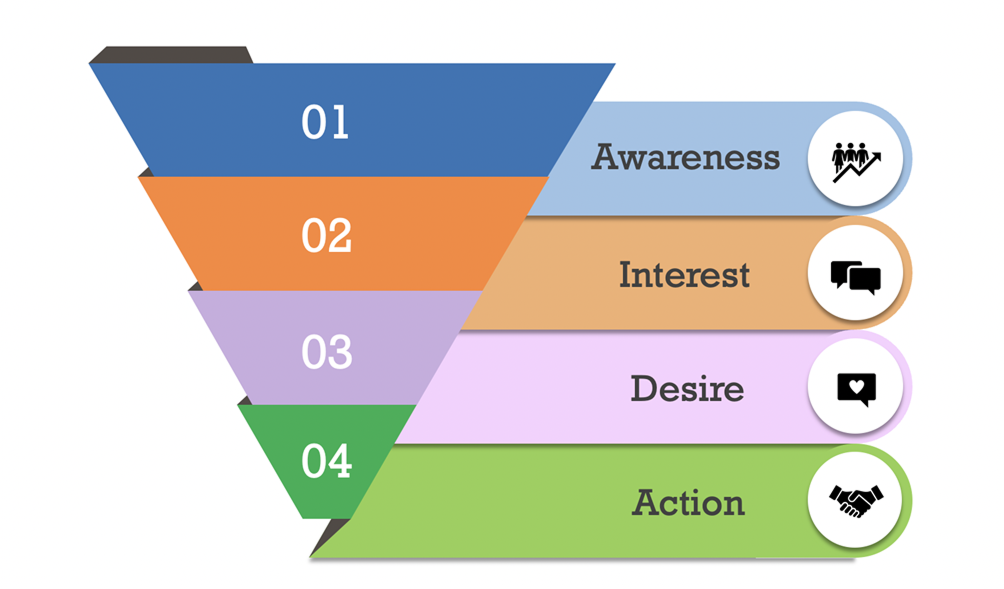
Authority alone doesn’t guarantee sales. You need a conversion bridge—a structured path that moves your audience from interest to action.
The Conversion Ladder
- Awareness – Audience discovers you
- Interest – They consume your content
- Trust – They believe in your expertise
- Desire – They want your solution
- Action – They buy your book
Most creators fail between trust and action because they never guide their audience forward.
6. Designing a Book Conversion Strategy
A strong book conversion strategy ensures your audience doesn’t just admire your content—they invest in it.
1. Position Your Book as a Solution
Your book should not feel like “extra content.” It should feel like:
- A complete system
- A shortcut to results
- A deeper transformation
2. Use Strategic Content Funnels
Every piece of content should lead somewhere.
Example:
- Reel → Teaches a concept
- Caption → Expands the idea
- CTA → Directs to your book
3. Create Curiosity Gaps
Don’t give everything away. Instead:
- Share 60–70% of the idea
- Let the book complete the framework
This creates intellectual tension, which drives conversions.
4. Repetition Without Fatigue
People rarely buy the first time they see something. Reinforce your message through:
- Different formats (videos, posts, threads)
- Different angles (stories, logic, results)
7. Psychological Triggers That Drive Book Sales
Conversion is not just logical—it’s psychological.
Key Triggers
Authority Bias
People trust perceived experts. Strong positioning increases conversion.
Social Proof
“10,000+ readers” is more persuasive than “Buy my book.”
Scarcity
Limited-time offers or bonuses increase urgency.
Relatability
People buy from those who understand their struggles.
8. Building a Long-Term Authority Ecosystem
To sustain sales, think beyond a single book.
Create an Ecosystem
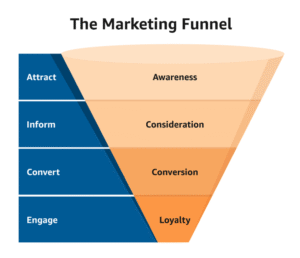
- Content → Attracts audience
- Book → Converts audience
- Community → Retains audience
- Advanced offers → Scales revenue
This transforms your brand from a creator into a trusted authority platform.
9. Common Mistakes to Avoid
- Chasing virality over value
- Being too broad in messaging
- Not having a clear CTA
- Giving information without positioning
- Selling without building trust
Conclusion
Visibility gets you attention, but authority earns you trust—and trust drives sales.
Mastering authority positioning means becoming the voice people rely on. Mastering conversion strategy ensures that trust translates into tangible results.
When both are aligned, your content stops being just content. It becomes a revenue engine.