
When Hustle Quietly Turns into Survival
Most burnout stories do not start with a sudden breakdown. It starts slowly. Busy routines, positive reinforcement, and increasing responsibility, bit by bit, lead to a constant state of “always on”. What initially appears to be dedication begins to drain energy without being noticed. Over time, what you put out exceeds what you get back, which, by all accounts, may still appear successful. Fear is a greater driver of burnout than workload, which is a secondary factor. The fear of irrelevance. The fear of loss of momentum. The fear that slowing down equates to a missed opportunity. Many remain in motion not because they are inspired, but because rest is prohibited. Productivity is a defence mechanism, and breaking is seen as a risk. Extra work is, in fact, taken care of. Our availability also extends past regular work hours. A gradual blurring of boundaries occurs. For the most part, this is not driven by ambition but by the need to be seen. Burnout sets in when participation is driven by fear rather than choice.
When Productivity Becomes Identity
Over the years, what we do in life becomes who we are. Output is self-worth, and presence takes over purpose. You are still performing, still putting out put but you no longer have intent behind your energy. Life feels reactive instead of a choice. Alongside our visible achievements, there is an invisible score that runs. We see physical fatigue set in. Emotional capacity goes down. What was once joy becomes less prominent. As external success may be on the rise, what goes on within us is slowly depleting. That inner score is honest even when the news is unwelcome. Burnout may not always stop performance, but it deadens aliveness.
Why the Most Driven People Break First?
Passion may, in fact, be the fuel that brings on burnout. We see people who care deeply pushing beyond what is healthy for them, out of it, and ignoring signs that should prompt them to step back. What at first appears as great persistence is instead seen as dedication, and what is depletion is presented as commitment.
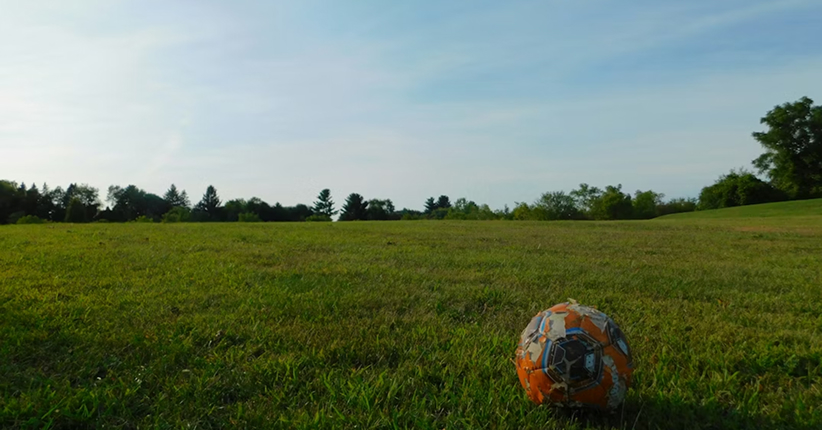
A player who stays on the field at all times eventually burns out. In the world we live in, that which is presented as dedication. We see and cheer for endurance, without which to question. But what we ignore isn’t strength. It is a slow and unacknowledged wear down.
The Difference Between Pausing and Quitting
Smart strategy outperforms dogged effort. In the long term, play to win, not to grind; rest is not a sign of weakness but of preparation. In the second half of a soccer game, it’s not about pushing harder but about playing with purpose. The same goes for life. You don’t grow once you give up; you grow when fear takes a back seat.
Alignment is key over intensity. What we put out isn't the aim of what we are. Sustainable growth is a quieter, steadier, and more intentional path. When effort is grounded in values rather than fear, survival shifts to longevity.
The Question That Changes Everything
Are you still in it out of choice, or are you there out of fear of what will happen if you stop? If that question made you uncomfortable, it doesn’t mean you’ve failed. It may just mean you’ve hit halftime.
At the break, it’s not the end of the game; it is a chance to determine the second half of your play.